wind-renewable-energy-safety 3 min read
Gavin Coyle
Keeping high-risk renewable projects safe, on and offshore
Safety in wind and renewable energy: real project stories, offshore updates and the move from oil and gas into renewables.
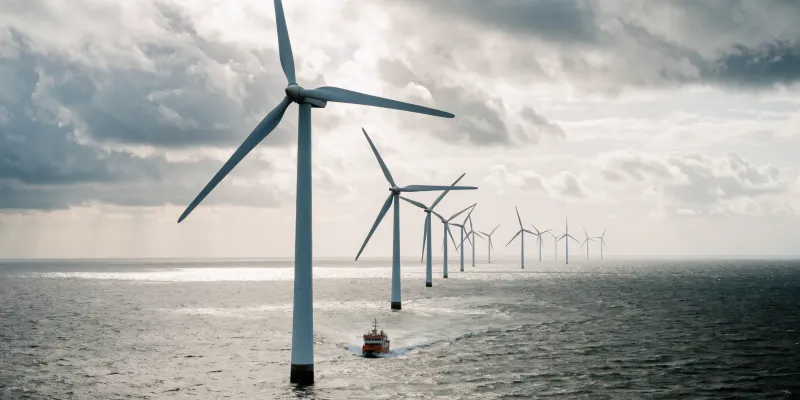
The biggest risks on wind projects are working at height inside turbines, live electrical work on high-voltage plant, crane and lift operations during installation, and confined-space entry in nacelles and towers. Offshore wind adds marine transfer, weather exposure and helicopter operations to the same list.
GWO (Global Wind Organisation) Basic Safety Training is the industry baseline: working at height, first aid, manual handling and fire awareness. Offshore work adds Sea Survival. Safety officers on wind sites typically also carry NEBOSH plus the medical (ENG1 offshore or industry equivalent onshore) needed to access the asset.
The hazard set overlaps (working at height, energy isolation, remote sites) but the culture is different. Wind projects run on shorter contracts, tighter margins and a smaller, more mobile workforce, which puts more weight on documented systems and less on the deep tenure and drilling of a mature oil and gas operator.
From Finland to Northern Ireland, Coyle Group safety officers have prevented incidents on live wind energy sites across Europe.
Discuss Requirements
Our management team responds the same day. Send the details below and we will be in touch, or call +353 1 903 8450.