Check your safety culture in a 5-minute survey, get one real hazard and its fix emailed to you each week, read the founder's book on cutting accidents on a budget, and browse our guides on audits, risk assessments, and building a safer site. All written by practising, chartered safety people.
A no-nonsense roadmap into a safety career: the qualifications, the experience, the skills that really matter, and the realities no one tells you about.
Charging what you're worth in construction without losing clients. A founder's take on pricing with confidence, knowing your true costs, and standing firm.
Your first three hires set the culture, the quality and the reputation of a construction business. Why the project manager, craftsman and admin come first.
Six practical steps to move your safety career forward, from research and networking to qualifications and keeping up with fast-changing industry trends.
Choosing the right safety course is a real step forward in your career. How to match a course to your goals, industry, experience and learning style today.
Ten workplace hazards that can kill in seconds, from moving machinery to toxic fumes, plus the practical controls employers use to prevent fatal injuries.
Balancing safety and cost is a challenge, not an impossibility. Low-cost measures that target your biggest risks can keep a workplace safe on any budget.
Falls are among the most common workplace injuries. Good housekeeping, from clear walkways to prompt spill clean-ups, is a simple way to prevent them all.
Safe systems of work cut the risk of specific tasks. How they operate, what they include, and the industry examples that most improve workplace safety.
Risk Assessments and Method Statements both keep workplaces safe. Learn the five steps of risk assessment and three steps to a strong method statement.
A risk register is a tool for spotting potential project risks. Learn its key components, the risk management process, and how to build one from scratch.
Starting a business? These are the five most common health and safety compliance challenges new employers face, plus five practical steps to solve them.
Running an SME? Six practical health and safety tips help small business owners spot hazards, write a policy, train staff and stay compliant year-round.
A proactive approach beats a reactive one. Here are 12 industry websites and tools, from iAuditor and OSHA to Noggin, offering free safety advice online.
Construction is one of the ten most dangerous jobs. Here are the minimum safety training requirements for construction workers in the UK and in Ireland.
Safety training protects your people and keeps you compliant. A guide to the options: on-the-job, classroom, online, certifications, and custom courses.
Construction is a high-risk industry. Here are practical safety lessons from agriculture and healthcare that construction sites can apply to cut accidents.
Workplace safety is a shared responsibility. Who is accountable: employers, employees, and government agencies, plus the laws and cost of non-compliance.
A positive safety culture is lived, not just talked about. The characteristics that define one, the benefits it brings, and how to build and sustain it.
Certificates help, but employers want a competent person. Here is what the HSE means by competence, and why field experience matters as much as a degree.
Covid-19 pushed office workers home. A practical guide to the challenges of remote work, how employers can support their staff, and post-pandemic policies.
Powered gates cut costs and add security, but they can trap or crush. Learn the devices, signs, and daily checks a responsible person must keep in place.
Budget cuts should never compromise safety. Learn to align safety goals, weigh direct and indirect costs, and build a solid safety budget for your firm.
RIDDOR is the Reporting of Injuries, Diseases and Dangerous Occurrences Regulations 2013. Learn what UK employers must report and how to stay compliant.
Yes, an employer can be jailed for manslaughter over safety failures. Real UK cases show how negligence on site led to prison time under the HSWA 1974.
Should you build an internal Safety Management System or buy one? A look at the costs, benefits, and business case for both options for your organisation.
Behavioural based safety works by shaping the habits people bring to the job. A plain look at the seven principles and the ABC model, with a real example.
Hiring the right safety professional is now a bigger job than ever. Here are the competencies, certifications and salary levels you should recruit for.
What does a safety engineer actually do? A look at the role, the five-step process behind good safety design, and the engineering backgrounds it draws on.
How a workplace accident prevention program built on engineering, education and enforcement protects employees and returns real money to the bottom line.
Modern health and safety teams juggle shifting laws, plant conditions, and staff wellbeing. Learn how commitment and resources build a team that pays off.
Brexit could trigger the biggest change to UK health and safety since the 1974 Act. Here is why a complete overhaul of the rules remains unlikely for now.
Workplace safety often overlooks the operator's mind. The billions lost to poor mental health each year, and a 4R system for supporting people at work.
Weekly safety meetings mean little without leadership. How to build a Safety First culture that becomes second nature for everyone, floor to boardroom.
After World War II, owners built integrated safety teams of engineers, hygienists, and nurses. Learn the roles and expectations of a modern safety team.
Safety auditing is not new. From ancient codes to modern third-party reviews, here is why regular audits and near-miss reporting keep your workplace safe.
How Coyle Group's outsourced safety management and Safety Culture Assessment Tool help power plant operators stay compliant without a full-time H&S hire.
Coyle Group has launched a third-party risk maturity model with construction giant Multiplex, helping tier-one firms get ahead of supply-chain risk early.
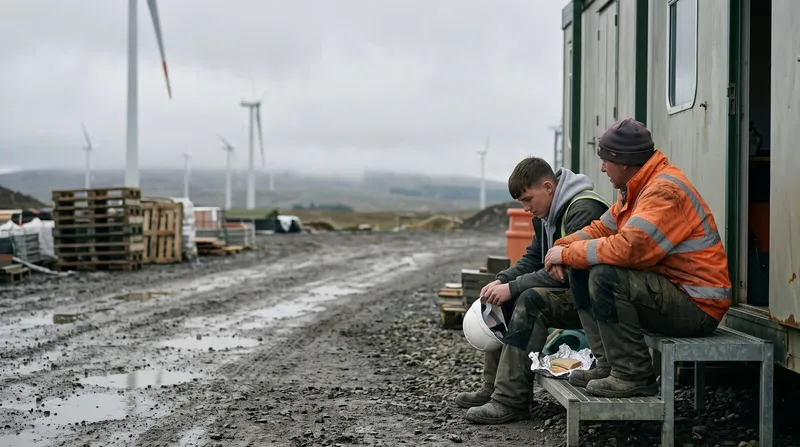
Ireland's seven Relevant Projects offshore wind farms aim to power three million homes and reach 3 GW by 2027. A look at each project and what it means.
Gavin Coyle·
We use cookies for analytics and marketing. You can accept, reject, or manage preferences.
Learn more