safety-consulting-compliance 10 min read
Gavin Coyle
Audits, management systems and accountability that hold up
How safety consulting works in practice: audits, safety management systems, training decisions and who is accountable when things go wrong.
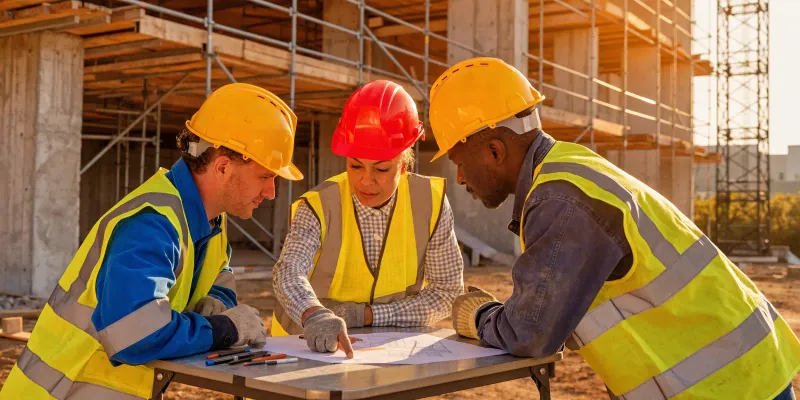
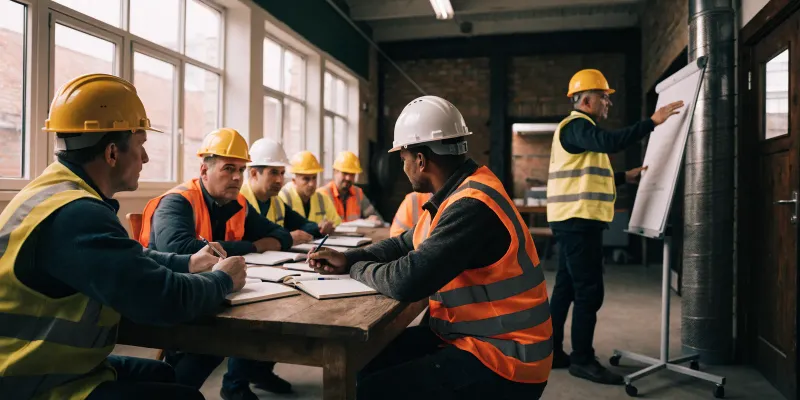
A safety consultant reviews how work is planned and carried out, identifies where risk is being mismanaged, and recommends the systems, controls or documents that close the gap. In practice that runs from a one-off compliance audit through to acting as the retained competent person for a business that does not employ a chartered adviser in-house.
Under the Health and Safety at Work etc. Act 1974, the employer carries the primary duty for the safety of employees and anyone affected by the work. Directors and senior managers can be held personally liable where consent, connivance or neglect contributed to a breach. Employees also owe a duty to take reasonable care of themselves and others.
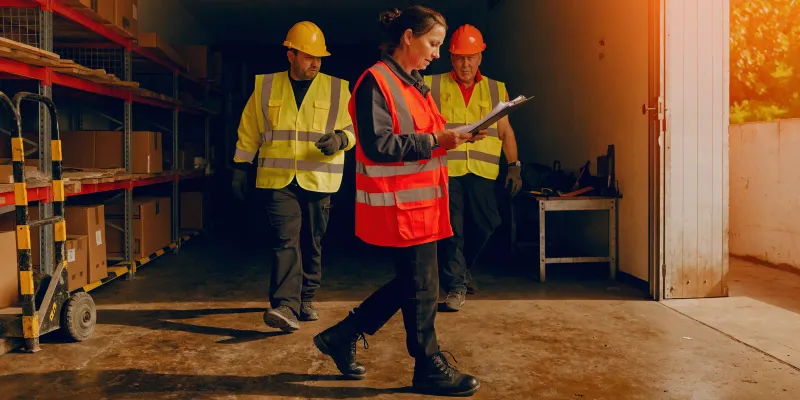
An external audit is worth commissioning at 3 points: on entry to a new sector or a high-risk contract, after a serious incident or a near-miss trend, and as a scheduled independent check on the internal safety management system. Regulator-triggered audits are also common, but by then the choice has usually been made for you.
Off-the-shelf systems are a reasonable start for smaller organisations and low-risk work. Larger or higher-risk businesses almost always need the system tailored, because generic templates rarely reflect the specific hazards, contracts and regulator expectations of the sector. The right answer is usually a hybrid, and it should be documented before it is deployed.
Our consultants advise tier-one operators across utilities, energy and engineering, led by a Chartered (CMIOSH) founder and author.
Discuss Requirements
Our management team responds the same day. Send the details below and we will be in touch, or call +353 1 903 8450.